
Water Damage Services on the Sunshine Coast
- 24/7 Emergency Service
- Expert Solutions
- Compassionate Support
Certified Water Damage, Flood Cleanup & Mould Remediation Specialists on the Sunshine Coast. Insurance-Approved, IICRC-Trained Technicians Ready to Respond Within 60 Minutes.
- Residential
- Commercial
- Industrial
- Institutional
Get Your Free Estimate
IICRC Firm Certification
Fully Licensed & Insured
Direct Insurance Liaison
Advanced Drying Technology
Available 24/7 Across the Sunshine Coast
A failed dishwasher hose in a Buderim family home. A roof leak from a fierce summer storm over a home in Noosa Heads. A canal backflow event in a Mooloolaba waterfront property during a king tide. Water damage on the Sunshine Coast is a relentless threat, driven by a subtropical climate that delivers both intense downpours and year-round, mould-fuelling humidity.
We are a team of IICRC-certified restoration technicians. We understand the unique pressures this environment puts on our buildings. When an East Coast Low lingers for days, we know the risk isn’t just the rain, but the inability for anything to dry. When you call us, you’re not reaching a generic call centre. You are speaking directly to a technician who understands the urgency of extracting water from a flooded Bli Bli home before the afternoon humidity turns a manageable issue into a complex mould contamination.
Our entire process is governed by the Australian AS/NZS-IICRC S500 Standard for Professional Water Damage Restoration, but our methods are refined by decades of on-the-ground reality here on the Coast.
Why Sunshine Coast-Specific Experience is Critical
Restoring water damage in South East Queensland is a science dictated by local conditions. A generic approach that works in a drier southern city will fail here, guaranteed. The difference between saving a home and seeing it succumb to rot and mould lies in understanding the Sunshine Coast’s unique building stock and ever-present atmospheric moisture.
We’ve documented the aftermath of intense weather events, from summer cyclones to persistent East Coast Lows. We understand how wind-driven rain penetrates the window seals of coastal high-rises in Alexandra Headland and forces its way into the wall cavities of hinterland pole homes in Maleny.
Our most critical experience comes from managing the consequences of localised flooding in the Maroochy and Mooloolah River catchments. We’ve dealt with the specific, contaminated Category 3 water that follows flash floods in places like Pacific Paradise and Palmwoods, carrying not just silt but runoff from roads and agricultural land.
This knowledge isn’t academic; it’s practical. It means we know that the year-round ambient humidity, often exceeding 70-80%, is our biggest enemy during the drying phase. It means we understand the unique challenge of drying the sub-floor of an elevated timber home in Buderim versus extracting moisture from a concrete slab-on-ground home in a newer Caloundra West estate. We provide insurance-compliant documentation, including thermal imaging, detailed moisture mapping, and verifiable drying logs that major Australian insurers trust, because they are built on verifiable, local data.
Our IICRC-Certified Restoration Services
Our scope of work is dictated by the standards set by the IICRC and adopted by Standards Australia. This ensures our processes are verifiable, align with industry best practices, and are recognized by all major Australian insurance providers, including Suncorp, AAMI, and RACQ.
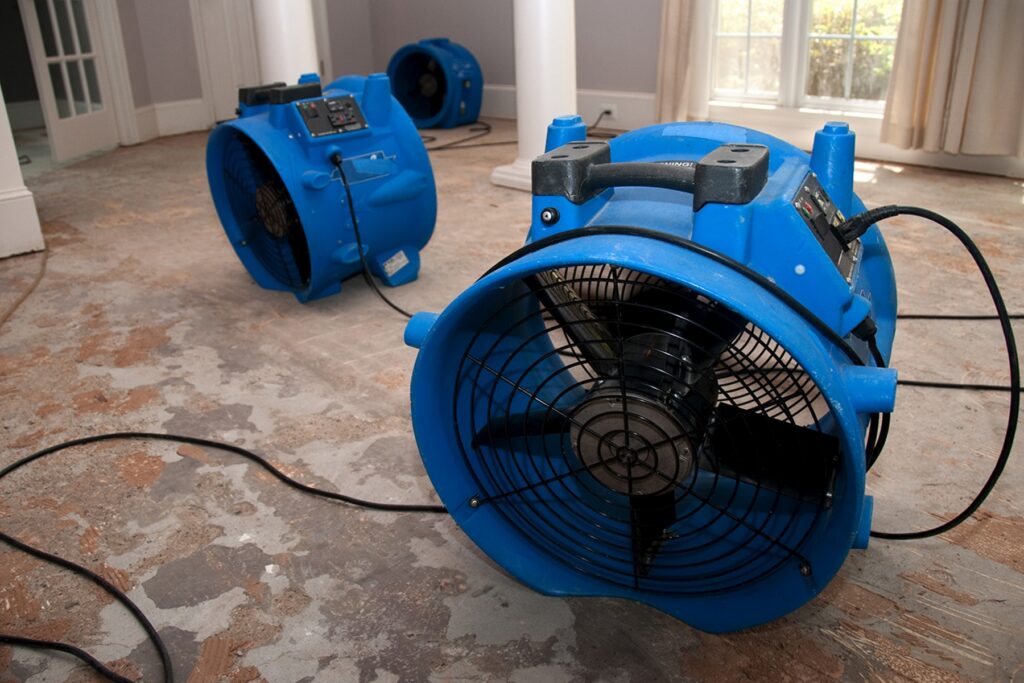
Water Damage Restoration
The IICRC S500 standard classifies water intrusion by its contamination level, which dictates the entire restoration protocol. Category 1 is “Clean Water” from a mains water pipe burst. Category 2 is “Grey Water” containing detergents, such as from a washing machine overflow. Category 3 is “Black Water,” which is grossly contaminated and poses a significant health risk. On the Sunshine Coast, any water from river flooding, creek overflows like Petrie Creek, or storm surge is always treated as Category 3 from the outset. This is due to the high probability of contamination from overflowing sewage systems, agricultural runoff, and other hazardous materials.
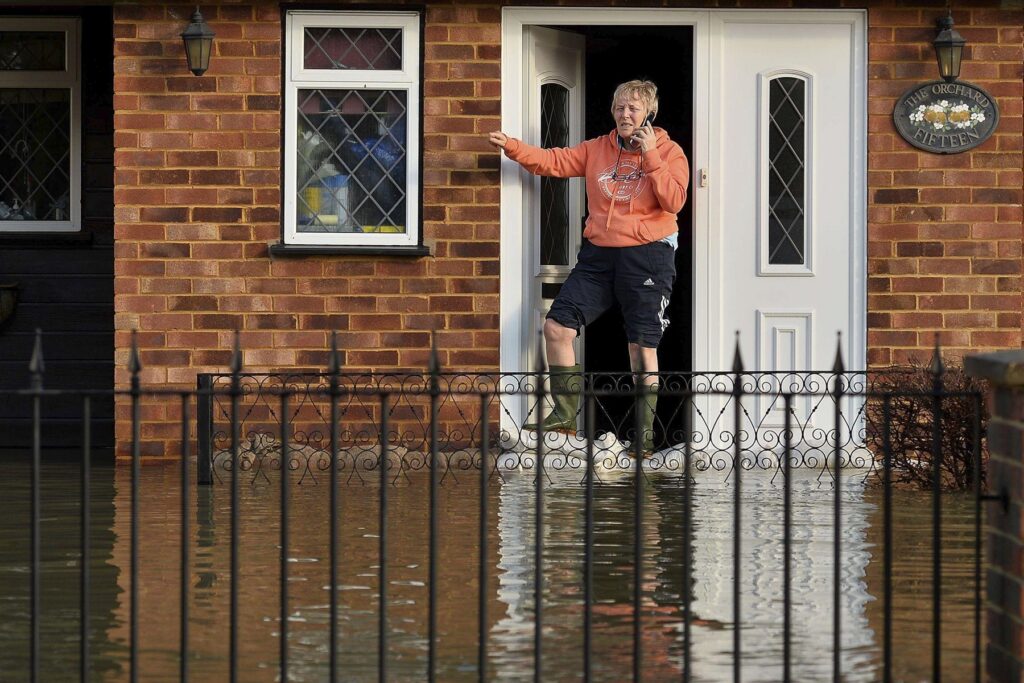
Flood Damage Restoration
Following significant rainfall events that have caused the Maroochy River to break its banks or inundated low-lying areas like Bli Bli and Golden Beach, our flood restoration protocol is highly specialised. The first priority is aggressive, rapid extraction of bulk water using high-volume extraction units. This is immediately followed by the removal of porous, non-salvageable materials and the application of hospital-grade antimicrobial treatments to mitigate bacterial threats. We then establish a controlled drying environment engineered specifically to combat the Sunshine Coast’s high ambient humidity, preventing the secondary mould damage that is almost guaranteed in our climate.
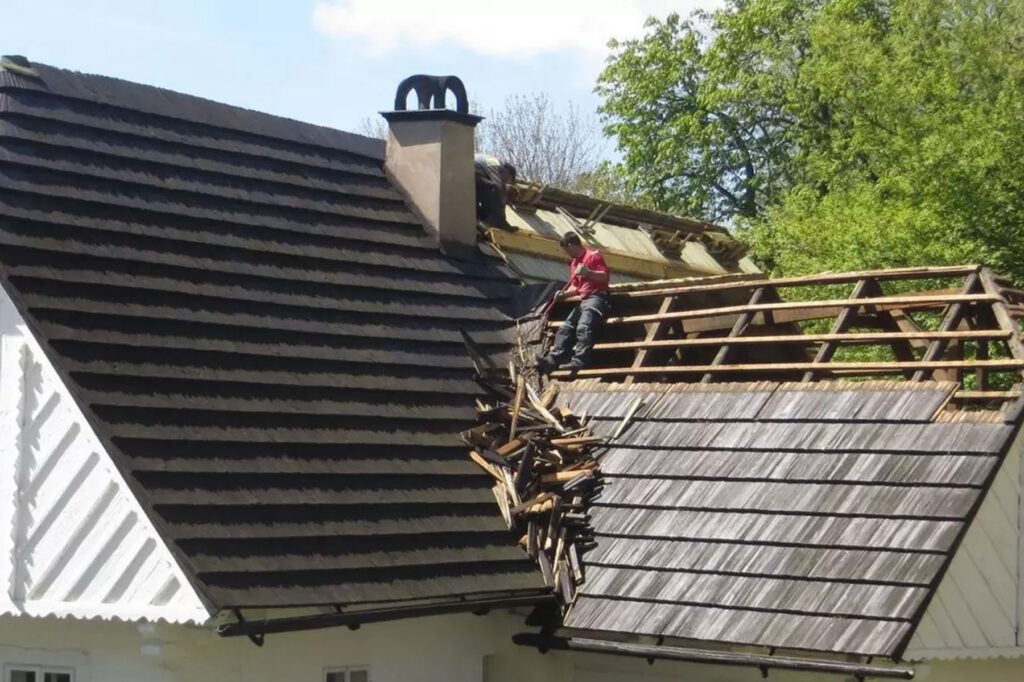
Storm Damage Restoration
Our region has a history of impactful cyclones and severe storms like Cyclone Annie (1963) and Cyclone Dinah (1967), which caused significant coastal damage and flooding. Our emergency service addresses the common outcomes: wind-driven rain that bypasses window and door seals, roof damage from winds or falling trees, and water that has saturated insulation and structural timber. The goal is immediate mitigation to halt the absorption process, protecting the structural integrity of your home.
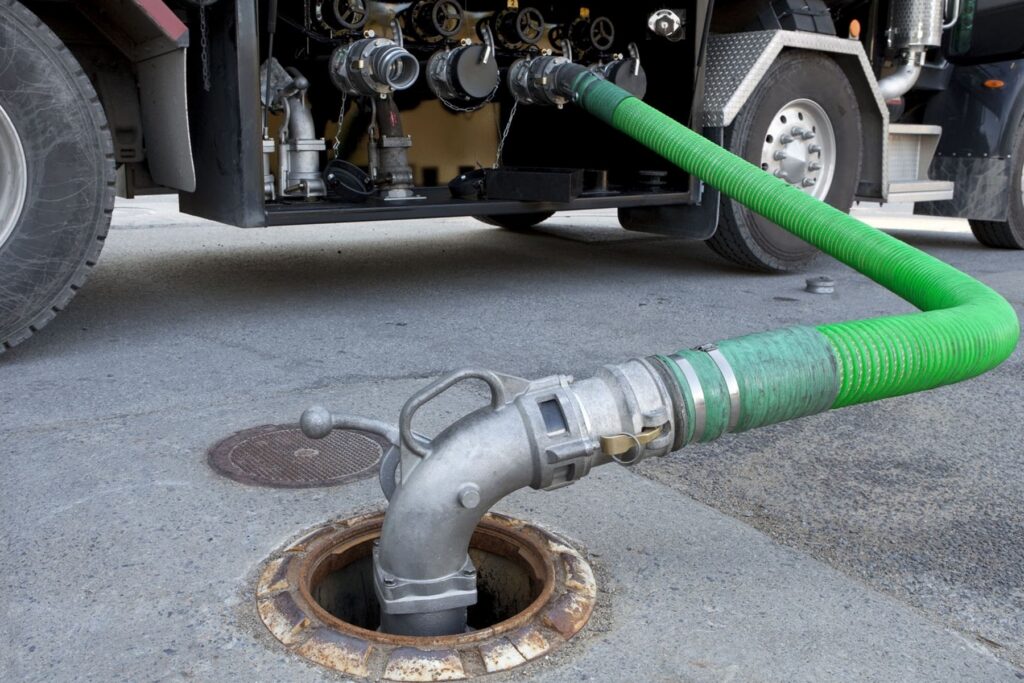
Contamination Cleanup
A sewage backflow in a suburban home or floodwater intrusion from a canal is a declared biohazard emergency. Our certified technicians follow strict health and safety guidelines, using appropriate Personal Protective Equipment (PPE) to safely contain the area and remove all contaminated materials. This includes flooring, plasterboard, and insulation that has been affected. The process involves not just cleaning but complete disinfection and sanitisation to protect your family from pathogens. All repair work is conducted in line with QBCC licensing requirements.
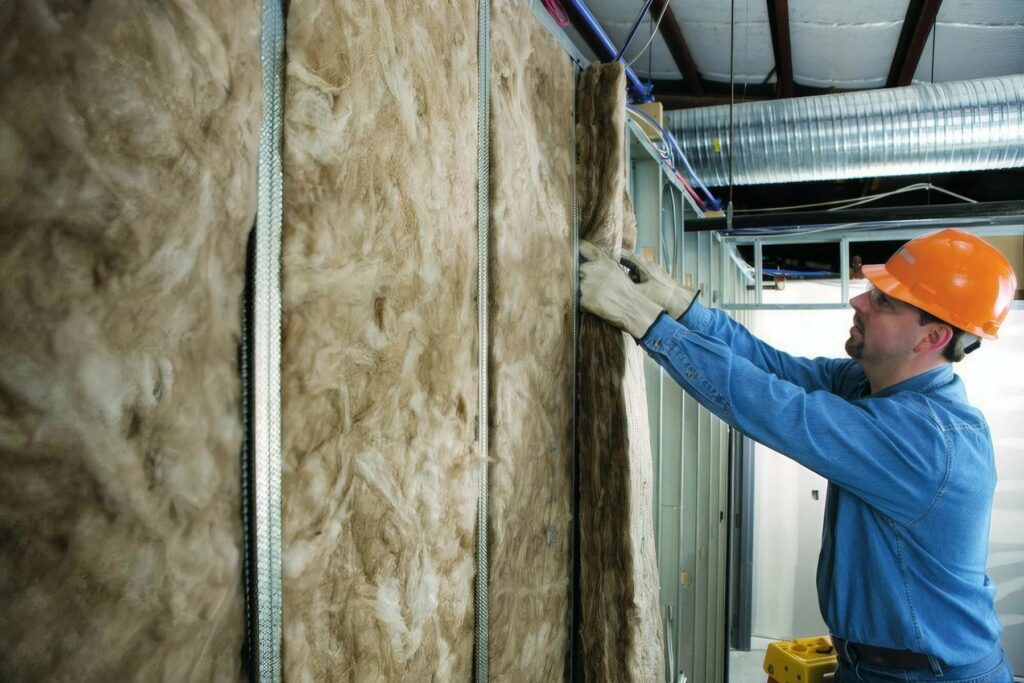
Applied Structural Drying
Our lead technicians hold IICRC Applied Structural Drying (ASD) certification, the industry’s advanced designation for drying the building itself. This is far more than just placing fans. We use specialised equipment like Low-Grain Refrigerant (LGR) dehumidifiers and targeted heat-drying systems, creating precise atmospheric conditions inside the structure. This science, known as psychrometry, manipulates temperature and vapour pressure to draw deeply bound moisture from porous materials like concrete, timber framing, and plasterboard. This is the scientific reversal of the water absorption process and the only way to ensure a structure is truly dry.
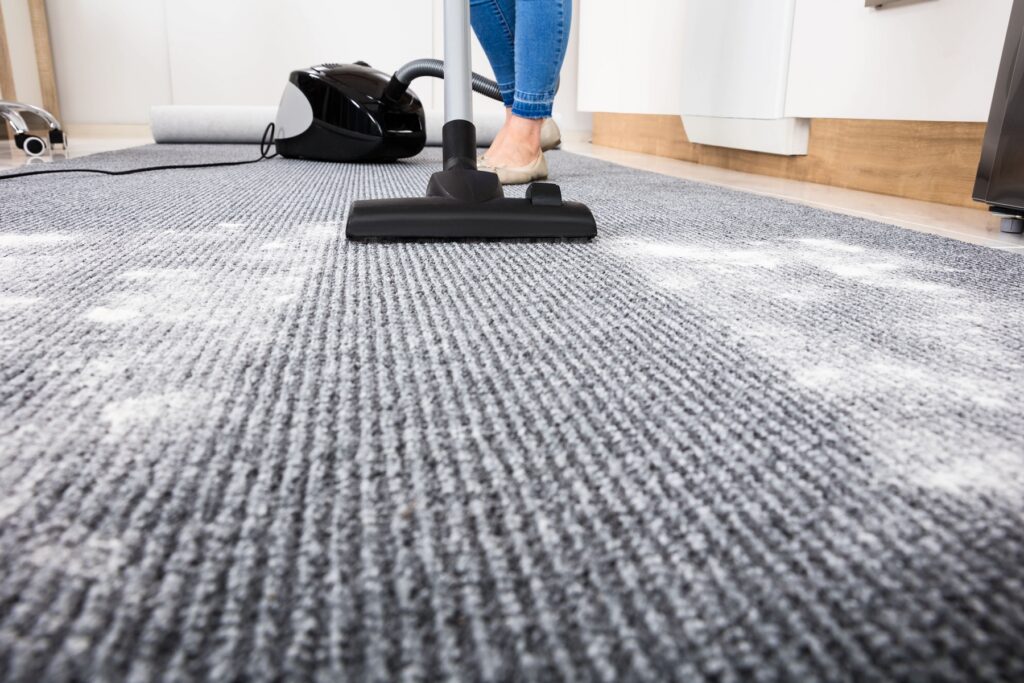
Specialised Materials Drying
We have developed specific protocols for the diverse building styles across the Sunshine Coast. For elevated timber homes in the hinterland suburbs like Montville or Flaxton, this often involves creating controlled airflow in the sub-floor space to dry bearers, joists, and floorboards from beneath. For modern canal-front homes in Pelican Waters or Minyama, built with rendered block and concrete, we focus on drawing moisture from within these porous materials, which can retain water for months and lead to hidden mould if not treated by a certified professional.
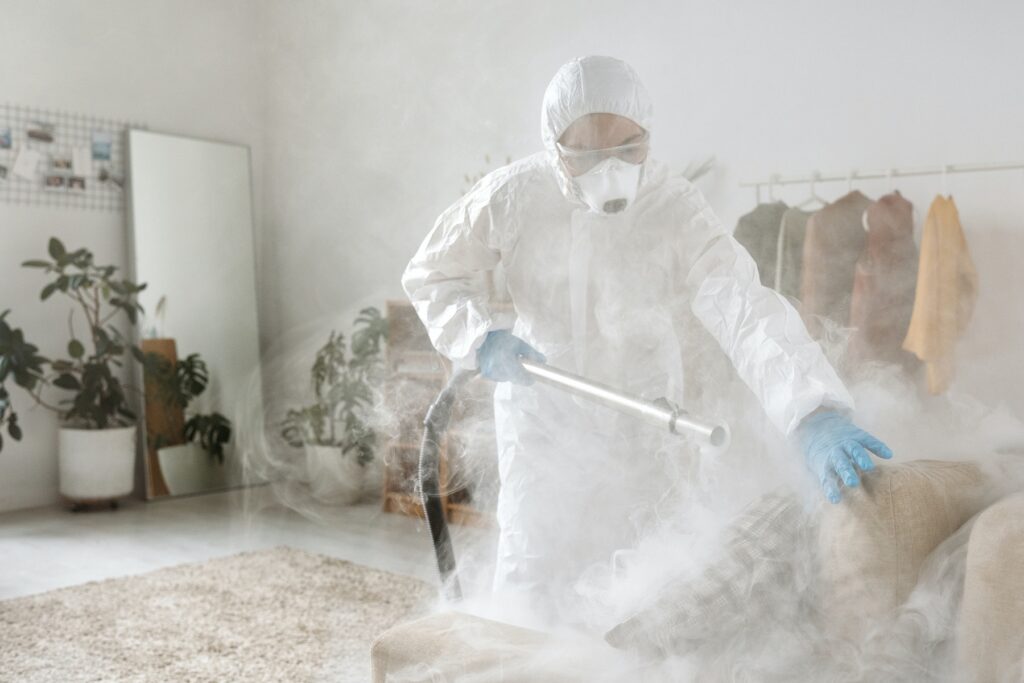
Odour Removal
In the Sunshine Coast’s humidity, moisture-related odours from bacteria and mould can become permanently embedded in materials. We do not use masking agents or simple air fresheners. Our process uses advanced technology like thermal fogging and hydroxyl generation. These methods create molecules that actively seek out and chemically neutralize the odour-causing bacteria and microbial volatile organic compounds (MVOCs) at a molecular level, truly eliminating the source of the smell.
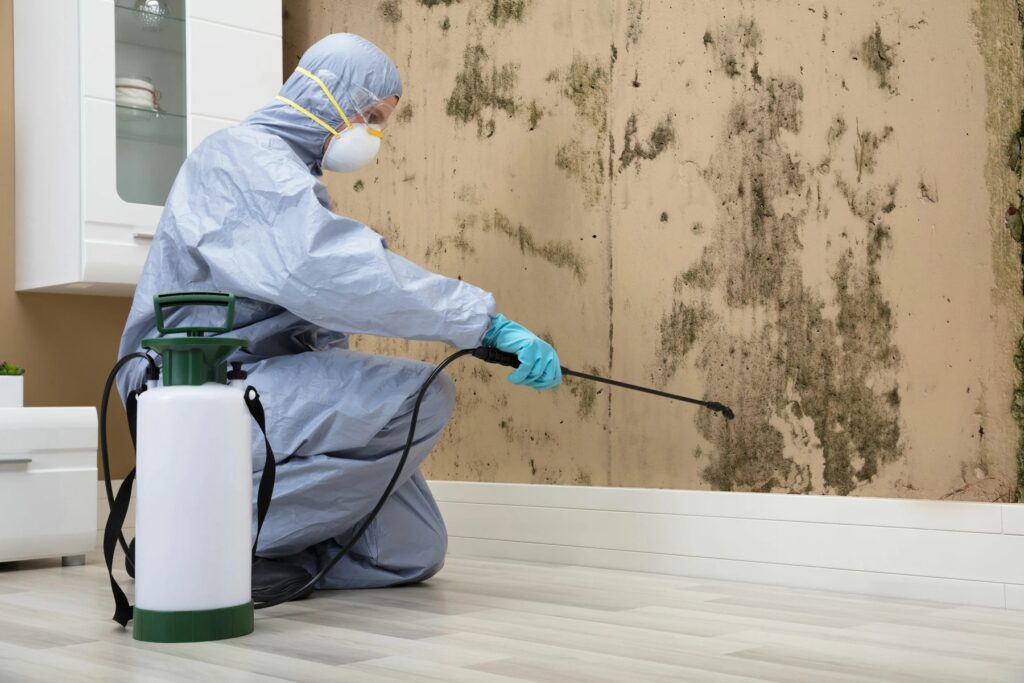
Mould Remediation
In our climate, mould growth isn’t just a risk; it’s a certainty after 48 hours of unchecked moisture. Our mould remediation process strictly adheres to the IICRC S520 standard. We begin by establishing containment with negative air pressure to prevent cross-contamination. HEPA-filtered air scrubbers are used to capture airborne spores while our technicians physically remove the visible mould colonies from surfaces. Finally, we treat the source materials and, most importantly, provide a verifiable report that the underlying moisture problem has been solved.
What Our Sunshine Coast Clients Say
We’ve helped hundreds of Sunshine Coast families and businesses recover from water damage events, large and small.
★★★★★
Buderim
After a plumbing failure flooded our downstairs living area, we were in a panic. The team from Water Damage Sunshine Coast was at our house within an hour. They extracted all the water, set up their drying equipment, and saved our timber floors. Their professionalism and speed were incredible, and they handled everything with our insurer, Suncorp.

★★★★★
Mooloolaba
Our apartment in Mooloolaba had a severe leak from the unit above. Water was coming through the ceiling and walls. These guys were fantastic. They understood the complexities of working in a high-rise, dealt with the Body Corporate, and used thermal cameras to find all the hidden moisture. A truly thorough and expert service.
★★★★★
Noosaville
The recent king tide combined with heavy rain caused our canal-front property to flood. It was a terrible mess. The team was so respectful and efficient. They explained the risks of contaminated water, handled the entire cleanup, and documented everything meticulously for our insurance claim with AAMI. We couldn't have managed without them.
Rapid Dispatch Across the Sunshine Coast, From Caloundra to Noosa
Our teams are strategically located to provide rapid emergency response across the entire Sunshine Coast region, including:
- Southern: Caloundra, Pelican Waters, Golden Beach, Beerwah, Landsborough
- Central: Maroochydore, Buderim, Mooloolaba, Sippy Downs, Bli Bli, Nambour
- Northern: Noosa Heads, Noosaville, Tewantin, Peregian Beach, Coolum Beach
- Hinterland: Maleny, Montville, Palmwoods, Mapleton, and all surrounding communities
- And all other surrounding communities
IICRC-Certified Technicians Working to the Australian S500 Standard
Our commitment is to verifiable expertise. Every technician on our team holds an IICRC Water Damage Restoration Technician (WRT) certification, and our lead restorers possess advanced ASD credentials. We don’t just claim to use “best practices.” We prove our work. Using calibrated Tramex moisture meters and FLIR thermal imaging cameras, we confirm that your property’s structural materials have been returned to their pre-loss dry standard. This provides you and your insurer with a verifiable safeguard against future structural rot and mould growth.

Our Protocols Are Based On Verifiable, Peer-Reviewed Standards
All our technicians are IICRC-certified and maintain their credentials through continuous professional development. This ensures we apply the most current, science-backed methods in structural drying, contamination control, and mould remediation as defined by the ANSI/IICRC S500 and S520 standards. This isn’t just a company policy; it is a fundamental commitment to the health of your property and the safety of your family. Furthermore, all structural repairs are performed under the regulations of the Queensland Building and Construction Commission (QBCC).




Frequently Asked Questions for Water Damage on the Sunshine Coast
We offer a 24/7 emergency service across the entire Sunshine Coast. Our operational goal is to have a certified technician on your doorstep within 60-90 minutes of your call to begin assessment and immediate mitigation.
Your safety is the absolute priority. If it is safe, turn off the main water valve to your property and cut the electricity to the affected areas at the switchboard. Do not use any electrical appliances on wet floors or stand in water. Call us immediately at 07 5227 8741.
Given our humid subtropical climate, mould can begin to grow within 24 to 48 hours. Rapid professional intervention is critical to prevent a simple water issue from becoming a complex and costly mould remediation project.
The drying timeline is typically 3 to 7 days but can be longer. It is highly dependent on the severity of the water intrusion, the types of materials affected (e.g., concrete slab vs. timber floors), and the ambient humidity during the drying period, which is a major factor on the Sunshine Coast. We only remove our professional drying equipment after taking verifiable moisture readings that prove the structure has reached its dry standard.
Yes. Hinterland properties, especially older timber homes or pole houses, can face unique challenges with sub-floor moisture, ventilation issues, and risks from overflowing septic systems during heavy rain. Our technicians are experienced in managing these specific environmental factors.
We have extensive experience working within strata-title buildings. We understand the need for communication with body corporate managers and the complexities of dealing with water damage that affects multiple units. Our processes are designed to be efficient and minimally disruptive in a high-density living environment.
Yes. We work with all major Australian insurance companies, including Suncorp, AAMI, RACQ, and more. We provide detailed reports, photographic evidence, and moisture mapping that meet their specific requirements for claims, streamlining the process for you.
Our process is guaranteed to meet the AS/IICRC S500 standard. We provide data from our moisture meters to prove the structure is dried to the correct moisture content. This scientific verification is the foundation of our guarantee.
The Queensland Building and Construction Commission (QBCC) is the state’s building industry regulator. A QBCC license is required for any building work valued over $3,300, including water damage repairs. Using a licensed contractor ensures you are protected by statutory warranties.
Contact Our Certified Team for an On-Site Assessment
If your property has been affected by water, do not wait. The environmental conditions on the Sunshine Coast are unforgiving. Contact us immediately for a professional, IICRC-certified response.